
Search Our Site
Search Our Site

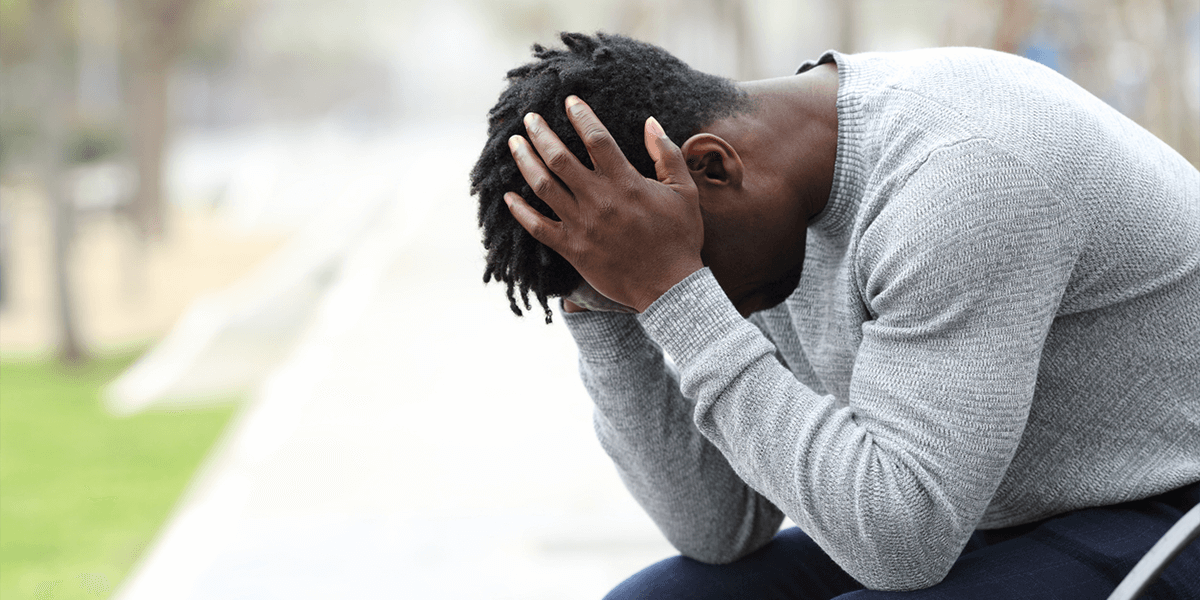
Mental health is a journey for every individual, but not all face the same obstacles along the way. For health professionals, understanding how race, systemic inequities, and daily lived experiences shape mental wellness is vital for supporting and treating people from Black, Indigenous, and People of Color (BIPOC) communities.
While diverse in culture, history, and experiences, BIPOC communities often face a shared “double burden” that involves managing mental health concerns while simultaneously navigating the realities of racism. Importantly, mental health disparities are not caused by a person’s race or ethnicity, but by the chronic, cumulative effects of racism, historic trauma, and systemic inequities.
This guide affirms those unique challenges and offers a practical toolkit for finding culturally competent care. Facility managers and health professionals can be the bridge to understanding and healing.
Historical trauma refers to the collective emotional and psychological injury across generations due to massive group trauma, such as slavery, colonization, forced displacement, and genocide. These events don’t just live in memory — evidence in the field of epigenetics shows trauma can alter genetic expression, influencing stress response and mental health in descendants. For example, Native American and Black communities carry the residual scars of dispossession, violence, and ongoing discrimination, impacting today’s behavioral health outcomes.
These patterns show up in the numbers, too, and behind each number is a real person and family. In Massachusetts, mental health statistics show that multiracial adults are about two times as likely as white adults to struggle with suicidal thoughts. Access to care remains a huge challenge, with fewer than 3 in 10 BIPOC community members able to get the support they need.
These statistics aren’t a coincidence or a reflection of individual weakness. They are the result of deeply rooted systems, and together, by facing these truths with honesty and compassion, we can start to change them.
Each BIPOC community carries its own history, values, and stressors that influence mental health in distinct ways. Recognizing these unique experiences helps us move beyond one-size-fits-all solutions and allows care to be more responsive, respectful, and meaningful for every individual and family seeking support.

The stigma of needing to be invulnerable often complicates the well-being of Black communities. This idea manifested in stereotypes like the “strong Black woman.” While resilience is inspiring, feeling pressure to suppress vulnerability leads many people to forgo needed mental health services. Generations of medical exploitation and neglect have fostered justified distrust of healthcare, making engagement especially delicate.
Native American people contend with the ongoing effects of cultural erasure, forced assimilation, and loss of traditional lands. Rates of PTSD and substance use disorders are markedly higher in these communities. Many feel severed from both heritage and contemporary society, which can compound social and emotional isolation.
Familismo, a strong value on family unity and support, is often a source of strength. Yet, it can also discourage seeking professional mental health care, especially if family members interpret seeking outside help as a lack of faith in the family. Language barriers and the shortage of bilingual, culturally aware providers are further hurdles, often leading to miscommunication or dissatisfaction with services.
The “model minority” myth, which suggests that all Asian Americans are successful, self-sufficient, and problem-free, masks the real struggles faced within these diverse groups. Many face intense pressure to uphold family honor, leading to shame and secrecy around mental health issues. Rather than seek help, individuals may suffer in silence to avoid “losing face.”
People who identify as multiracial may battle a unique isolation, often feeling “not enough” of any one identity. This feeling can intensify risks to mental health. The National Survey on Drug Use and Health confirms that multiracial residents report the highest rates of suicidal ideation. The dynamic interplay of several cultures can be a source of resilience, but it also brings its own set of challenges in belonging and support.
Even when someone is ready to seek help, the path is rarely straightforward. BIPOC individuals often navigate distinct, overlapping barriers, which are shaped by culture, finances, and history. These barriers make accessing meaningful healthcare especially challenging.
Mental health doesn’t exist in a vacuum. Daily experiences, community conditions, and overlapping struggles all influence emotional well-being. Understanding how these factors interact helps us provide more responsive, compassionate support and recognize the full context of what BIPOC individuals and families are navigating.
Opening up about mental health can be difficult. With sensitivity and intention, we can create safer spaces that invite understanding, trust, and real healing. Use these practical support strategies to start the conversation:
Lasting change requires more than individual efforts. Building a more inclusive mental health system begins with:
Every journey toward wellness is unique, and no one should have to walk it alone, especially not in the face of extra burdens borne by BIPOC communities. Bournewood Health Systems is ready to support individuals and families with expertise in both culturally competent and trauma-informed care. Together, we can break down barriers, affirm dignity, and build a more inclusive path to mental health for all. Contact us to learn more about treatment options to target a range of needs.
This website is not intended to give clinical or medical advice. If you are experiencing an emergency or crisis, please go to your nearest hospital Emergency Department or call 911.